en English
ar Arabiczh-CN Chinese (Simplified)en Englishfr Frenchde Germanja Japanesept Portugueseru Russianes Spanish
Skip to content
  • Skip to primary navigation
  • Skip to main content
  • Skip to footer

North Sound ACH

North Sound Accountable Community of Health

  • Home
  • About Us
  • Our Work
    • Collaborative Action Network
    • Community Hub
  • News & Press
  • Events
  • Connect

Partners

Collaborative Action Network Cohorts – next steps

March 3, 2022 by Megan Stephenson Leave a Comment

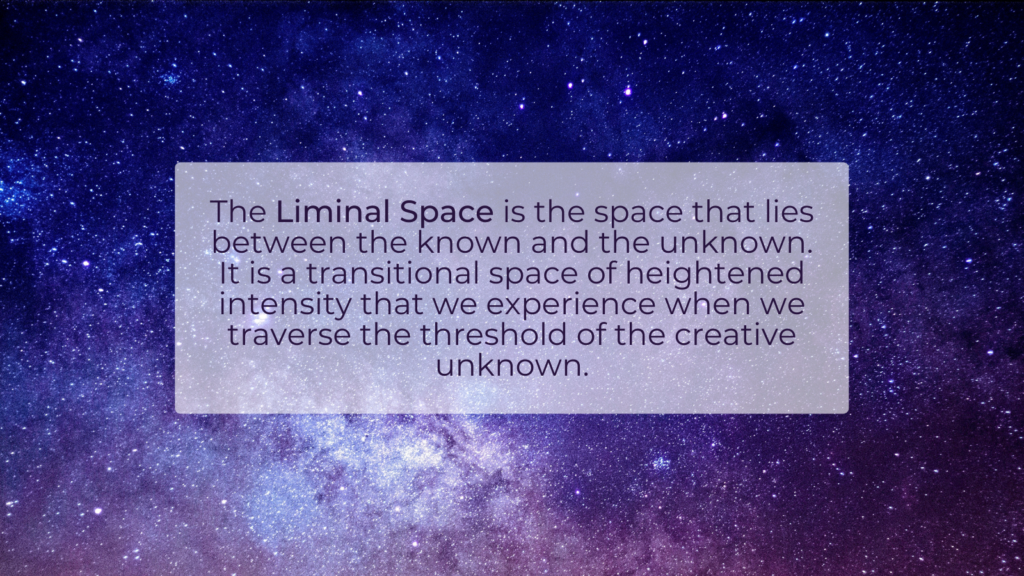
Creative tension is common when a group is in liminal space. And it is exactly what is needed for co-creating something new.

During our February learning session, we held space for diverse perspectives to share their hopes, concerns, and questions about the emerging Collaborative Action Network (CAN) Cohorts.

Together, we:

  • Sought clear answers AND recognized we need more time for partner input
  • Experienced discomfort with uncertainty AND excitement for creating something new
  • Acknowledged the need for pragmatism AND the desire for reimagining solutions (and better future for all people and places)

The new cohorts offer a tangible opportunity for partners to create a just and inclusive culture and the necessary conditions for all community members to thrive. The trust and commitment of the North Sound ACH partners is rare – and it will be exciting to see how partners bring this to life over the course of 2022.

FAQs

What do we mean by “cohort” and “focus area”?
A cohort is a grouping of Network selected focus areas that have a strong affinity or common theme. It is also a way for North Sound ACH staff and partners to organize and manage the Focus Areas. We have five cohorts:

  • Equity
  • Vital Conditions
  • Emerging Focus Areas
  • Practice Transformation
  • Care Coordination

Focus areas are the more discrete, actionable areas that Network participants have identified for collaborative learning and action. For example: food security, oral health, or mobile integrated health.

How were these cohorts and focus areas identified?
The North Sound ACH team identified these cohorts and focus areas based on reports from contracted partners, requests and reflections from leaders across the region, and an environmental scan. These topics are driven by our network members and will continue to be shaped by network members.

Can we change our commitments to cohorts or focus areas?
We anticipate that our network will grow and evolve over time. Partners who have signed contracts committing to a particular level of participation in a cohort can amend their contracts if another focus area emerges as an organization priority.

We also hope that additional people will join us over time, sharing their expertise and experiences. Organizations that are not currently engaged with North Sound ACH may join the network and cohorts at any time.

What could the work look like?
Our partner-based workgroups are a forerunner to the Network cohorts, such as the Regional Opioid Collaborative (ROC) and the Oral Health Local Impact Network (LIN). At the February partner learning session, Yuki Yang of Ideal Options shared that the ROC is like a “beta version” of the cohorts.

We come across different funding sources, and we can’t apply for it because we’re for-profit; having this space in these cohorts, to identify these situations, we’re always going to our community partners and saying, there’s this opportunity [for funding], do you want to apply for it and we’ll help support your efforts?
But it’s not always clear what those organizations want or need he money for, so these having cohort discussion to identify what are the solutions we’re searching for, or what are the things we want to try, and then also knowing what funding sources are available, we can say, there’s this opportunity, let’s apply or have a lead organization apply who is a non-profit and we will all deliver on whatever the solution is … that is what we’re talking about: coming together, finding funding, delivering a solution, and being in action.”

Hear more from Yuki at the February meeting recording, starting at 44:59.

What do partners say so far?
Mike Parker of Opportunity Council recognized there is comfort with “prescriptive contracts with defined measurement,” such as the Medicaid Transformation Project. However,

Those things don’t afford a lot of creativity, and so while this may feel unsettling and a little bit new it also can be a spark of creativity. For us, working regionally is one of the great benefits, has been one of the great benefits through [the Medicaid] transformation program. The problems we deal with are so regional or wider than that even, so I just look for more creative opportunities to do out of the box solutions, because obviously what we’ve been doing hasn’t been creating the thriving conditions we want.
So this type of model is maybe exactly what we need to do because it’s different, because it will afford opportunities for us to connect across our different organizations, service territories, you name it, languages… so I’m hopeful.”

Nicole Picknell of South (Snohomish) County Fire said its taken time for her and colleagues in her line of work to get comfortable with creative thinking.

Its super hard for us to be ok with being comfortable with the uncomfortable,” she shared. But working with others, “With the north sound ACH, we did start bringing the community resource paramedics together, and that really started us to find a space that we could feel comfortable in talking about, and there’s value in listening to other people, cause theres things I’ve learned on here that I’m like, oh I had no idea that we actually have a connection.”

Hear more from partners by watching the February learning session on our YouTube page.

We invite you to bring more questions to the team – you can always email us at Team@NorthSoundACH.org – and at the next partner learning session on March 16. There, we will break out the attendees into the cohorts they are participating in, to get started together!

Filed Under: Announcements, Partners

Agricultores Latinx Devuelven a la Comunidad

October 15, 2021 by Natalie

Desde el comienzo de la pandemia de COVID-19, muchas familias e individuos han necesitado alimentos frescos y saludables. Los bancos de alimentos han visto una mayor necesidad de alimentos en las comunidades de los Estados Unidos y Canadá. El departamento de salud de Washington ha incluido cajas de alimentos en sus kit de cuarentena y aislamiento (North Sound ACH ayuda a coordinar Care Connect en nuestra región). 

Un reciente proyecto piloto en el valle de Skagit quería abordar a familias vulnerables afectadas por la pandemia, al igual que proporcionar alimentos culturalmente apropiados y nutritivos a los trabajadores agrícolas migrantes y a la comunidad Latinx.

Organizado por el Centro de Negocios del Noroeste (NABC, por sus siglas en inglés) en Mount Vernon, el gerente de proyecto Alex Perez se acercó a la Fundación Comunitaria de Skagit y el Centro para los trabajadores del campo de los Servicios Católicos Comunitarios (CSS, por sus siglas en inglés) para poner a prueba este proyecto único de distribución de alimentos en el 2020. North Sound ACH proporcionó recientemente asistencia financiera adicional para apoyar este proyecto, y la tercera distribución se completó en septiembre del 2021. Una distribución adicional organizada por North Sound ACH, NABA y CCS está prevista para noviembre de este año.

Alex Perez / NABC
Vanessa Diaz / North Sound ACH
Alex Perez / NABC
Alex Perez / NABC

“Durante los últimos años a través de nuestro trabajo de alcance, NABC se ha dado cuenta de muchos desafíos, barreras, y oportunidades que enfrentan los miembros de la comunidad Latinx, Hispana e Indígena Mexicanas” Perez dijo en un correo electrónico. “En respuesta a las necesidades urgentes en el acceso a alimentos que han sido exacerbadas por COVID-19, NABC organizó y coordinó con éxito los proyectos de distribución en Skagit County en el 2020. El año pasado se completó una gran cantidad de trabajo preliminar durante estos proyectos piloto y ahora existe una fuerte coalición y un valioso patrimonio establecido.”

NABC y socios comunitarios trabajaron con siete agricultores en el valle de Skagit para seleccionar productos orgánicos para las familias necesitadas los cuales incluyeron: pimientos, chiles, papas, maíz, tomates, y fresas.

Perez compartió, “Una razón por la que este proyecto fue necesario es porque varias familias de trabajadores agrícolas se han visto afectadas desproporcionadamente por la pandemia, ya que muchas no reciben recursos financiados por el gobierno. Este proyecto nos permite cerrar la brecha nutricional en los hogares de trabajadores agrícolas de bajos ingresos, al menos por un momento, ya que los alimentos proporcionados se cultivaron orgánicamente y localmente en el valle de Skagit con un suficiente valor nutricional en la variedad de los productos distribuidos.

“Además, los productos proporcionados provinieron de siete familias agrícolas Latinxs e Indígenas Mexicanas del valle de Skagit y el condado de Whatcom que se han visto afectadas desproporcionadamente por los efectos económicos de la pandemia de COVID-19. Este proyecto les proporciona una sola oportunidad de generar una fuente  de ingresos al comprarles una gran cantidad de sus productos cultivados localmente y orgánicamente a su valor de mercado.

“Por último, hay excelentes programas que también trabajan en abordar las desigualdades de las familias marginadas, como los bancos de alimentos y las colectas de alimentos. Sin embargo, muchos de nosotros no preguntamos ‘¿Se está proporcionando la comida culturalmente apropiada dentro de esta cultura en particular?’ Este proyecto tenía en mente esa pregunta y a las organizaciones que tenían como objetivo garantizar que los productos fueran culturalmente apropiados y aceptados dentro de las culturas, sus cocinas, y sus gustos. En lugar de proporcionar alimentos enlatados llenos de conservadores, nosotros podemos proporcionar productos locales, limpios, orgánicos frescos y ricos en su valor nutricional, y además cultivados por nuestros agricultores locales Latinxs e Indígenas Mexicanos.”

En septiembre, 115 familias recibieron estás cajas de alimentos frescos. “Las reacciones de estas familias han sido fenomenales, preguntaron si estamos haciendo esto todos los meses o todas las semanas. Se sorprenden al ver tantas de las verduras con las que les encanta cocinar para hacer salsas tradicionales, salsas picantes, o sopas,” Perez dijo en un correo electrónico. “Los agricultores participantes también están llenos de alegría con estos proyectos, ¡ya que pueden compartir sus deliciosos productos localmente con mucho orgullo!”

Northwest Agriculture Business Center (NABC) ayuda a los agricultores a establecer nuevas empresas, y ayuda a que los negocios existentes sean más rentables, proporcionando viabilidad empresarial, orientación en la  planificación e implementación, conexiones con mercados, ofrece capital y acceso a otros recursos. 

Este proyecto fue posible gracias a Martha Martínez y Guillermina Bazante de CSS Farmworker Center, quiénes se comunicaron y coordinaron con las familias de trabajadores agrícolas Latinxs, Hispanas, e Indígenas Mexicanas del condado; Alex Perez, Juan Morales, y Daniella Silva del NABC; el equipo de North Sound ACH; y muchos otros.

Filed Under: Announcements, Care Coordination, Community Engagement, COVID 19, Equity, Food, Partners

Launch of Tribal and Equity Series: Afterthoughts

June 17, 2019 by Izabella Kornelis

Sometimes we get feedback after an event that shows the work ahead of us. As we embark on this journey of tribal and equity learning we are not looking for ‘pats on the back’, as much as we are looking for others who see the road ahead and its importance. This was one of those messages, and Ben gave his permission to share it here –

Hello Liz,

Thank you so much for letting us be at the table yesterday. I was awestruck and inspired. Everything about it was wonderful. My subjective experience with the breakout section was very educational. What I got from it was all of the agencies thinking in ways that they could improve their programs that they offer to the communities they support. While I see that as a baby step, I still see it as an effort to move in the same circles. It may be that they just want to continue to justify their organization.

What I was hoping to hear from them was the need to educate their communities in ways that make them self-sufficient rather than dependent on the largesse of the dominate culture. By that I am definitely saying that dominant culture do exactly as the Children of the Setting Sun described. Give them the tools and training so that they can be the doctors, lawyers and chief bottle washers. Not some bastardized version of what currently exist.

Those agencies and organization should be assisting in helping change behavior not culture. I have heard tribal people say it over and over again.  We do not need not need to be taught how to be white. We need their expertise at training to become masters of own destiny, not training to be apart of a system that has failed us all too often. Othering and Belonging are defining terms. Targeted Universalism is a shift in the way we currently operate and must be instituted to usher in the new paradigm.

Just my thinking. And once again thank you so much for giving us this opportunity to actually focus on solutions rather than holding up a system of principles that leaves us where we are, with a few new shiny objects.

Ben Young

Vice Chair Communities of Color Coalition

Chair North Puget Sound Conference on Race

Ben@c3coalition.org

Https://www.c3coalition.org

Filed Under: Equity, Medicaid Transformation, Partners

  • « Go to Previous Page
  • Page 1
  • Page 2
  • Page 3

Footer

North Sound ACH
PO Box 4256, Bellingham, WA 98227
Phone: (360) 543-8858
E-mail: Team@NorthSoundACH.org

Facebook Instagram LinkedIn YouTube

Sign up to receive updates

Copyright © 2026 North Sound ACH · Proudly created by Beaux · Log in