en English
ar Arabiczh-CN Chinese (Simplified)en Englishfr Frenchde Germanja Japanesept Portugueseru Russianes Spanish
Skip to content
  • Skip to primary navigation
  • Skip to main content
  • Skip to footer

North Sound ACH

North Sound Accountable Community of Health

  • Home
  • About Us
  • Our Work
    • Collaborative Action Network
    • Community Hub
  • News & Press
  • Events
  • Connect

Blog

Embracing Liminal Space

February 28, 2022 by Liz Baxter Leave a Comment

What a wild couple of months we’ve had. Another COVID surge, long-lasting impacts from several atmospheric rivers (a new term for me to learn), and winter weather that saw us at 7 degrees on December 26, and 46 degrees one week later on January 2. Definitely not our typical winter weather. 

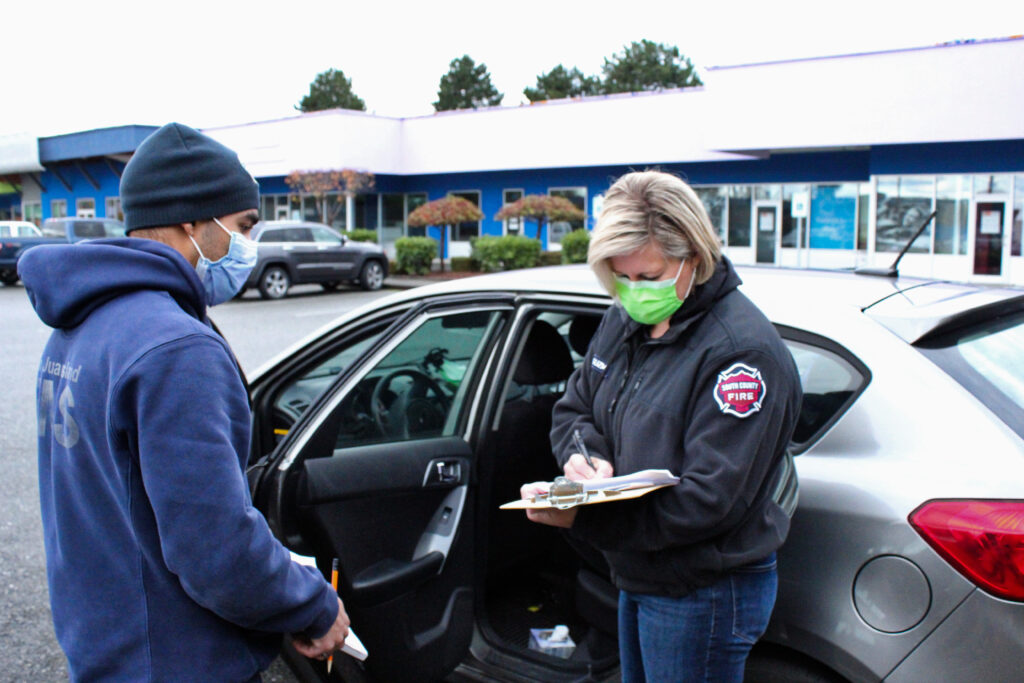
We have been working with community-based organizations to form what we’re calling a Community Response Network, building relationships so that we will be more prepared when the next disaster comes. Most often the organizations that step forward are fueled by volunteers, and they amaze us as they step up and step in, time and time again to help neighbors and their communities recover.

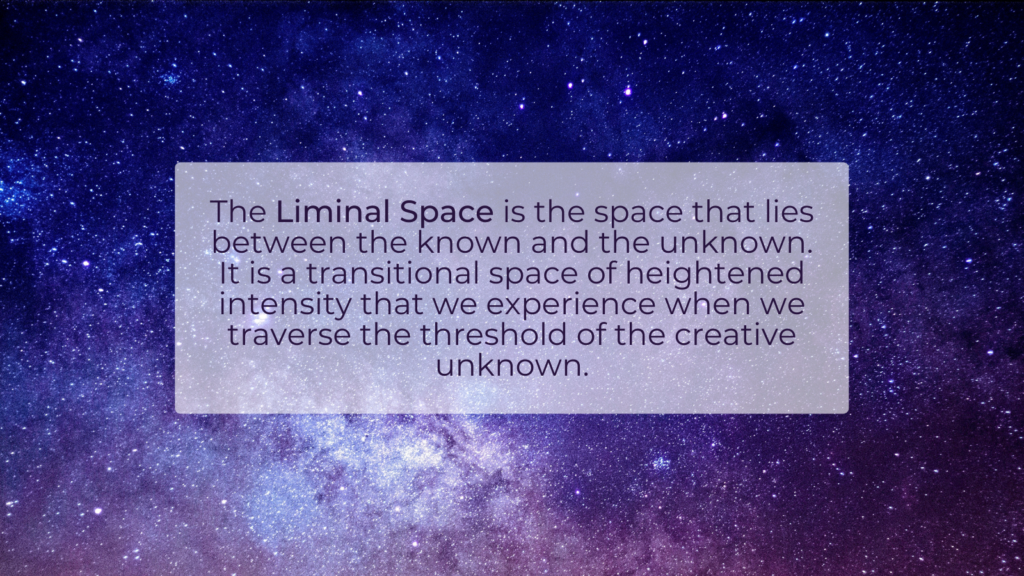
Recently, one of our partners (Community Initiatives) introduced us to the concept of liminal spaces – the space between the known and unknown – and it appears to be a space that North Sound ACH finds itself in often. Marco Morales, North Sound ACH project manager, shared a similar concept of Nepantla – a Nahuatl word that represents the notion of ‘in-between-ness.’ We are in between a very structured Medicaid Transformation Project and a future state focused on advancing equitable well-being. We get to take what we’ve learned over the past five years and design our next steps. 

As we collaborate with local and regional leaders, the tension in this space is important to acknowledge. Co-design and co-creation don’t always come with strict borders and rules, with answers to every question. It is a space for creativity and design. We recognize that it’s uncomfortable for some. We’re used to rules; even though we bristle against them, they let us know where the borders are for what’s allowed or not allowed. This liminal space is exciting, uncomfortable, and terrifying at the same time. 

North Sound ACH is looking for organizations and individuals who want to join this creative space with us! Check out the commitments that partners are making this quarter, working in concert to elevate strategies that work. We know the end that we’re seeking – to create a just and inclusive culture and the necessary conditions required for all community members to thrive. 

Whether we’re talking recovery from COVID or flooding, advancing equity, or advocating for health and social services that meet the needs of all in a community, we embed targeted universalism in all discussions, knowing we need multiple strategies in order for everyone to meet any common goal that we define. There are moments of conflict with those who want a single strategy to rally around, but we know that single strategies do not reach everyone, and we don’t want to leave anyone behind. 

We hope you will check out the Collaborative Action Network, and think about whether this is a space you’re interested in joining. We’ll be announcing ways to engage in the coming months. Hope to see you there!

Filed Under: CEO Update

Enter the Year of Radical Imagination

January 30, 2022 by North Sound ACH staff 2 Comments

The end of 2021 was something you just can’t prepare for. One hundred year floods and record breaking windstorms, on top of a new COVID variant was not how anyone in the region wanted to slide into 2022. On November 15, disastrous floods and storms hit our region with such force it toppled most emergency response agencies. 

Our first indication of this was when Jose Garcia of Everson was swept away in the early hours of flooding after clinging to a tree in a parking lot for several hours. He was on the phone with his family desperately trying to be rescued, but the rescue never came and tragically Mr. Garcia was the first casualty of the floods. All disasters are chaotic in the early hours and days of response, but it was clear that without additional agencies stepping in to support community members, more lives would be lost. 

In Whatcom County, the days that followed the flooding were full of late night calls from community partners who were rescuing, literally rescuing people, from rising flood waters in their homes and cars. There were minimal shelter options at the stage. I called Liz Baxter, our CEO, immediately asking permission to start booking hotel rooms, and her immediate response was “of course.” 

In partnership with Community to Community, Christ the King Church, Catholic Community Services, and the Whatcom County Health Department, we collectively sheltered over 30 families and nearly 100 people in area hotels. Each agency rose to the occasion and regardless of knowing if reimbursement was possible, just doing what was needed for folks who had lost nearly everything. 

In the spirit of targeted universalism, we know that all communities should have resources to be prepared and protected against emergencies and disasters – but if we have learned anything over the last two years, a one size fits all emergency response strategy can have devastating effects on communities that are repeatedly impacted. Community health workers and Promotoras are at the heart of a response, and fiercely dedicated to the communities they serve. They are doing the work often unpaid and unseen. We want to change that in 2022, by leveraging our positions of power and connections to advocate for those workers who are the backbone of community resiliency. 

Though these last two months have been some of the most challenging work of my career to date, I am profoundly grateful for each and every one of our staff who stepped into this work immediately. We’ve also learned so much about secondary trauma lately, and are prioritizing self-care for the team in 2022. It’s time to expand the practice of emergency response from a solely patriarchal practice to a model of community well-being and belonging. North Sound ACH does a pretty awesome job on advocating for the latter, so I have high hopes that 2022 is a year of bridging and radical imagination.

— Nicole Willis, COO

Filed Under: Community Engagement, Equity

We Can Do Better

January 30, 2022 by Liz Baxter Leave a Comment

It has been such an amazing experience to be part of an organization intentionally created to be a disruptive influence. To be asked to challenge the status quo and to advance equity, even when it unsettles us. 

I like order and process, logic and strategy. But sometimes the need for all that order gets in the way when people in the community are hurting. We can’t always wait for the perfectly planned solution in order to meet needs. In other words, we cannot sit idle while people around us suffer. 

I have had many opportunities to bear witness to the creativity and generosity of ordinary people, stepping out of their daily routine to help communities in crisis. Many of you know that North Sound ACH has embedded targeted universalism into our work — agreeing on a universal goal while employing multiple strategies for diverse communities to reach that goal. Whether we’re talking about our application and hiring process, or how to get food to people displaced by flooding, there are always multiple approaches that can meet the needs of people in need. It does require us to keep remembering our universal goal, and not get caught up in whether we agree or not on specific strategies.  

I try to describe choices as always having tension. Imagine a large rubber band in front of you, one end is choice 1 and the other is choice 2. In reality, all along the rubber band are options, if we choose one, it pulls and strains on the other options. There are few perfect answers, but many options that have an impact – positive to some, challenging to others, depending on our perspective. We constantly have to ask ourselves, who is impacted by this decision (or indecision); who does it advantage or disadvantage? Whose voices have shaped and influenced the decision under consideration?

We are in the middle of multiple disasters and must find ways to keep people at the center of our goals and objectives. Processes should support our end goals, not get in the way of meeting them.

We need to do better. The person next to us might need our help and compassion. The child in front of us might be our doctor or mayor or librarian in 25 years. Our job is to prepare others to lead. At least that is my job, and I am grateful to have it. 

Filed Under: CEO Update

New donation form on the website

November 3, 2021 by Megan Stephenson

North Sound ACH supports learning, advocacy, and collaborative action across the
region. Building on our regional partnerships, the network can respond quickly and efficiently to
address emerging needs in areas where investments in capacity are critically needed.

We have been asked by many across the region now they can support the work. We now have an online donation form – a simple way for anyone to contribute to several regional programs. Contributing to this work impacts the lives of so many across the region.

Donate

We are currently seeking support for these initiatives:

Afghan refugee resettlement support. Several partner community-based organizations are deeply engaged with newly arrived Afghan families who need immediate support as many arrived with only what they wore on the plane. Your contribution will be sent to partners to help with housing, bedding, hygiene kits, and immunization efforts, as examples. Since some of the smaller community organizations don’t have finance and contracting infrastructure, North Sound ACH is acting as a backbone partner to support them as they do such incredibly important people-to-people support activities.  

Community Health Worker (CHW)/Promotoras Fund. CHWs and Promotoras comprise a trusted workforce that provides interpreter services, navigation, transportation, and education in communities who do not intersect with mainstream messaging or traditional ways of accessing resources. They are often unpaid for their services. Working with community-based organizations, North Sound ACH is building a fund to support training, transportation, and equitable payment for the time this workforce spends advancing well-being in often overlooked communities.

Thank you for your support!

Filed Under: Announcements

Afghan Families Coming to Region

October 25, 2021 by Megan Stephenson

Washington State has a long history of welcoming refugees to our communities, and with the recent arrival of Afghan individuals and families, in addition to the COVID-19 pandemic, Refugee & Immigrant Services Northwest (RISNW), based out of Everett Community College, has stepped in to play a key role.

Executive Director Van Kuno has been with RISNW for 30 years, starting as a volunteer after her own refugee resettlement from Vietnam. When she arrived in 1975, after the fall of Saigon at the end of the Vietnam War, she and her family settled in Minnesota, where she earned a degree in biochemistry. They then moved to Snohomish County, where she volunteered at the Refugee Forum of Snohomish County, which would later become RISNW. After a year, she got a paid position with the Forum, and soon after became its executive director.

Kuno said she wanted to partner with North Sound ACH because of our similar philosophies and mission statements. North Sound ACH provides RISNW support in three overlapping areas: the Community Health Worker/Promotores fund, the COVID-19 response fund, and the recently established Afghan refugee resettlement support fund. “Going through the red tape to get funding takes a chunk out of our busy schedule,” Kuno said. North Sound ACH helps with some of that “red tape,” which “allows us to do the job that we’re supposed to do,” Kuno said.

The COVID-19 response provides rapid testing kits, PPE, food and care kits; and the resettlement support fund is used for rent and housing help, bedding, clothes, and household supplies.

Courtesy of Van Kuno / Refugee and Immigrant Services Northwest

Through the CHW/Promotores fund, RISNW has hired a full-time navigator, who helps connect families to resources they need. This has been a great help since many of the Afghan families arrive with only what they can carry. The newly operating welcome center provides mobile dental, COVID-19 vaccines, hot meals, a worship leader from the local mosque, and staff to help families with housing applications, get children signed up for school, and whatever else they need. So far, RISNW has helped resettle 14 Afghan families.  

“When they meet with the navigator, they say what they want to talk about, what they need, then the navigator does research, provides that information back to them, and provides it in a linguistic and culturally appropriate way,” Kuno said.

Kuno said they let the clients direct what they need, but as a refugee herself, she is intimately familiar with the needs and struggles of newly arriving refugees and immigrants. About 10 years after she started working with RISNW, she noticed many Vietnamese and Cambodian refugee women struggling. Early resettlement efforts helped their husbands get jobs, and enrolled their children in school, but sometimes the women would be left behind. They weren’t able to understand letters in English, but many were also not literate in their native language either. They were isolated from their families and even each other.

Today, Kuno provides incoming women with laptops to get connected online –  to chat with family, friends, and local community; use email; learn English; help their children with school – and encourages them to get their driver’s license. A few years ago, she worked with Iraqi families to help the women get their driver’s license, explaining the benefits to both husbands and wives. To the husbands, Kuno would say they then wouldn’t have to leave work to help get the children to appointments, and to the wives, she would explain this would make it easier to go grocery shopping, take the children to school and the doctor’s office, and go see their friends. She employs the same methods with today’s Afghan families.

“If the woman is strong and healthy, the family will be strong and healthy,” Kuno said.

RISNW is open to all refugees, migrants, and immigrants in the area; they often help people from Somalia, Sudan, Congo, Iran, Iraq, Ukraine, Vietnam, Cambodia, Estonia, and Eritrea. There are 10 offices in the area, in Everett, Lynnwood, Monroe, Arlington, Mount Vernon, and Bellingham.

Their services include employment, English as a Second Language (ESL) resources and classes, education and social services, immigration and naturalization, interpretation and translation, and advocacy. Some of their other long-standing partners include the Employment Security Department, DSHS, and WorkSource. Learn more on their website https://risnw.org.

You may also donate to this fund at https://www.aplos.com/aws/give/NorthSoundACH

Filed Under: Announcements

Agricultores Latinx Devuelven a la Comunidad

October 15, 2021 by Natalie

Desde el comienzo de la pandemia de COVID-19, muchas familias e individuos han necesitado alimentos frescos y saludables. Los bancos de alimentos han visto una mayor necesidad de alimentos en las comunidades de los Estados Unidos y Canadá. El departamento de salud de Washington ha incluido cajas de alimentos en sus kit de cuarentena y aislamiento (North Sound ACH ayuda a coordinar Care Connect en nuestra región). 

Un reciente proyecto piloto en el valle de Skagit quería abordar a familias vulnerables afectadas por la pandemia, al igual que proporcionar alimentos culturalmente apropiados y nutritivos a los trabajadores agrícolas migrantes y a la comunidad Latinx.

Organizado por el Centro de Negocios del Noroeste (NABC, por sus siglas en inglés) en Mount Vernon, el gerente de proyecto Alex Perez se acercó a la Fundación Comunitaria de Skagit y el Centro para los trabajadores del campo de los Servicios Católicos Comunitarios (CSS, por sus siglas en inglés) para poner a prueba este proyecto único de distribución de alimentos en el 2020. North Sound ACH proporcionó recientemente asistencia financiera adicional para apoyar este proyecto, y la tercera distribución se completó en septiembre del 2021. Una distribución adicional organizada por North Sound ACH, NABA y CCS está prevista para noviembre de este año.

Alex Perez / NABC
Vanessa Diaz / North Sound ACH
Alex Perez / NABC
Alex Perez / NABC

“Durante los últimos años a través de nuestro trabajo de alcance, NABC se ha dado cuenta de muchos desafíos, barreras, y oportunidades que enfrentan los miembros de la comunidad Latinx, Hispana e Indígena Mexicanas” Perez dijo en un correo electrónico. “En respuesta a las necesidades urgentes en el acceso a alimentos que han sido exacerbadas por COVID-19, NABC organizó y coordinó con éxito los proyectos de distribución en Skagit County en el 2020. El año pasado se completó una gran cantidad de trabajo preliminar durante estos proyectos piloto y ahora existe una fuerte coalición y un valioso patrimonio establecido.”

NABC y socios comunitarios trabajaron con siete agricultores en el valle de Skagit para seleccionar productos orgánicos para las familias necesitadas los cuales incluyeron: pimientos, chiles, papas, maíz, tomates, y fresas.

Perez compartió, “Una razón por la que este proyecto fue necesario es porque varias familias de trabajadores agrícolas se han visto afectadas desproporcionadamente por la pandemia, ya que muchas no reciben recursos financiados por el gobierno. Este proyecto nos permite cerrar la brecha nutricional en los hogares de trabajadores agrícolas de bajos ingresos, al menos por un momento, ya que los alimentos proporcionados se cultivaron orgánicamente y localmente en el valle de Skagit con un suficiente valor nutricional en la variedad de los productos distribuidos.

“Además, los productos proporcionados provinieron de siete familias agrícolas Latinxs e Indígenas Mexicanas del valle de Skagit y el condado de Whatcom que se han visto afectadas desproporcionadamente por los efectos económicos de la pandemia de COVID-19. Este proyecto les proporciona una sola oportunidad de generar una fuente  de ingresos al comprarles una gran cantidad de sus productos cultivados localmente y orgánicamente a su valor de mercado.

“Por último, hay excelentes programas que también trabajan en abordar las desigualdades de las familias marginadas, como los bancos de alimentos y las colectas de alimentos. Sin embargo, muchos de nosotros no preguntamos ‘¿Se está proporcionando la comida culturalmente apropiada dentro de esta cultura en particular?’ Este proyecto tenía en mente esa pregunta y a las organizaciones que tenían como objetivo garantizar que los productos fueran culturalmente apropiados y aceptados dentro de las culturas, sus cocinas, y sus gustos. En lugar de proporcionar alimentos enlatados llenos de conservadores, nosotros podemos proporcionar productos locales, limpios, orgánicos frescos y ricos en su valor nutricional, y además cultivados por nuestros agricultores locales Latinxs e Indígenas Mexicanos.”

En septiembre, 115 familias recibieron estás cajas de alimentos frescos. “Las reacciones de estas familias han sido fenomenales, preguntaron si estamos haciendo esto todos los meses o todas las semanas. Se sorprenden al ver tantas de las verduras con las que les encanta cocinar para hacer salsas tradicionales, salsas picantes, o sopas,” Perez dijo en un correo electrónico. “Los agricultores participantes también están llenos de alegría con estos proyectos, ¡ya que pueden compartir sus deliciosos productos localmente con mucho orgullo!”

Northwest Agriculture Business Center (NABC) ayuda a los agricultores a establecer nuevas empresas, y ayuda a que los negocios existentes sean más rentables, proporcionando viabilidad empresarial, orientación en la  planificación e implementación, conexiones con mercados, ofrece capital y acceso a otros recursos. 

Este proyecto fue posible gracias a Martha Martínez y Guillermina Bazante de CSS Farmworker Center, quiénes se comunicaron y coordinaron con las familias de trabajadores agrícolas Latinxs, Hispanas, e Indígenas Mexicanas del condado; Alex Perez, Juan Morales, y Daniella Silva del NABC; el equipo de North Sound ACH; y muchos otros.

Filed Under: Announcements, Care Coordination, Community Engagement, COVID 19, Equity, Food, Partners

  • « Go to Previous Page
  • Page 1
  • Interim pages omitted …
  • Page 11
  • Page 12
  • Page 13
  • Page 14
  • Page 15
  • Interim pages omitted …
  • Page 23
  • Go to Next Page »

Footer

North Sound ACH
PO Box 4256, Bellingham, WA 98227
Phone: (360) 543-8858
E-mail: Team@NorthSoundACH.org

Facebook Instagram LinkedIn YouTube

Sign up to receive updates

Copyright © 2026 North Sound ACH · Proudly created by Beaux · Log in